Basil Varieties Compared: Genovese, Thai, Greek and Purple
Walk into any garden centre in late spring and you will find basil sold in several guises, usually with labels that tell you little beyond the name. Plant them side by side and the differences soon show: leaf size, growth habit, how they cope with heat, and what happens when they meet a hot pan. The four varieties below cover most of what a home grower needs. Learn what each one does best and you will stop treating basil as a single ingredient.
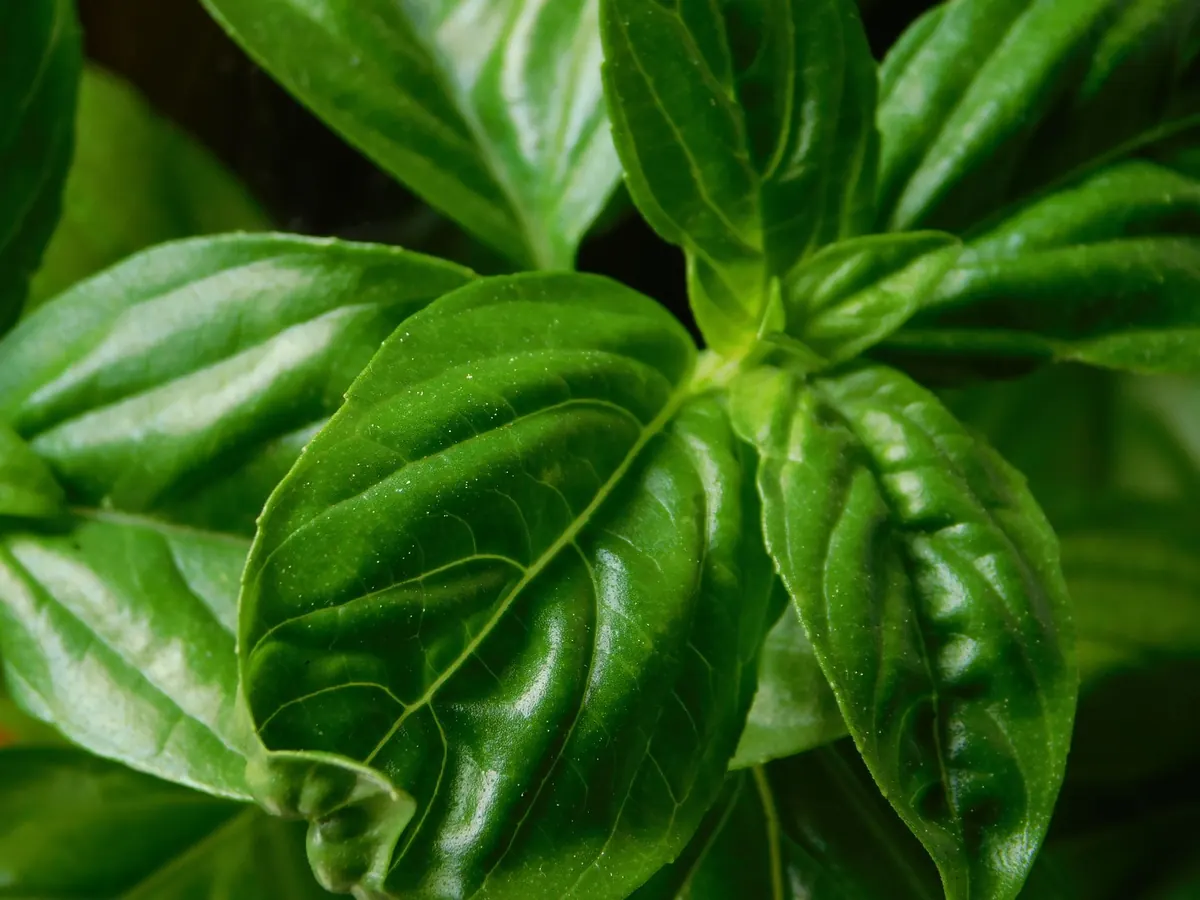
Genovese is the basil most people picture: big, soft, gently crinkled leaves the size of a playing card, held on sturdy stems that can reach 45–60cm in a good season. The flavour is sweet and rounded with a faint peppery edge, mild enough to eat by the handful straight from the plant.
It is also the most demanding of the four. Genovese wants warmth, steady moisture and full sun, and it sulks in cold, wet compost. It bolts — running to flower — faster than the others once temperatures climb, which turns the leaves thin and bitter.
Sow in late spring once nights are reliably above 10°C, or start indoors in modules and plant out after hardening off. Pinch out the growing tips above a pair of leaves every couple of weeks to keep plants bushy. For a steady supply, sow a small batch every three to four weeks rather than one big tray. Bolt-resistant strains cost a little more and earn it if you garden somewhere hot.
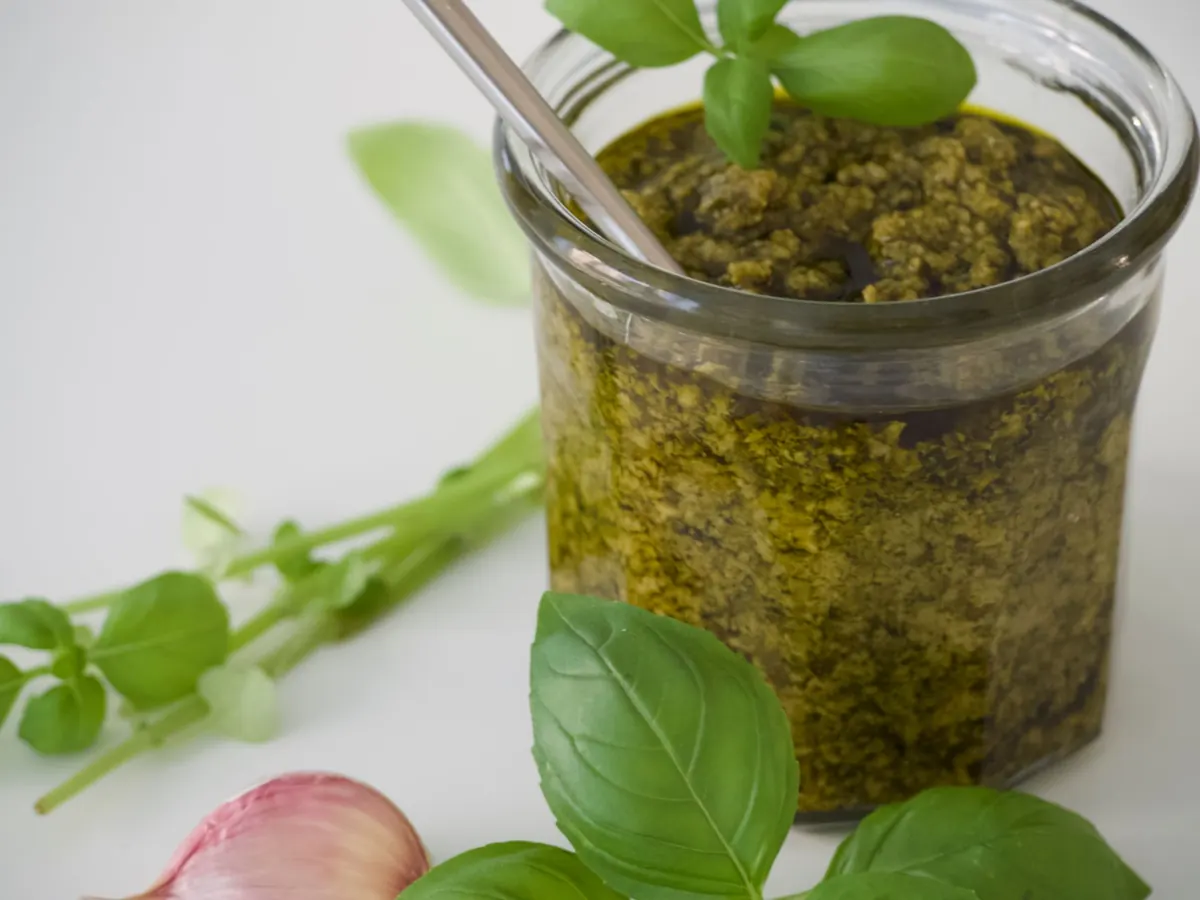
In the kitchen: pesto, torn over tomatoes and mozzarella, folded through pasta at the last moment. Do not cook it hard; heat flattens that sweet aroma.
Thai basil looks different from the outset: narrower, slightly pointed leaves, purple-flushed stems and small purple flowers. The scent is unmistakable — aniseed, a little clove, a hint of mint.
Its great advantage is stamina. Where Genovese wilts into nothing, Thai basil holds its shape and its flavour through simmering, so it belongs in the pan as well as on top of it. Tear it into green and red curries near the end of cooking, drop whole sprigs into noodle broths, or shred it raw into salads and lettuce wraps.
It grows with a bit more attitude too, tolerating heat and a slightly drier pot than Genovese, and it is slower to bolt. The flowers are edible and popular with pollinators, so if you grow it outdoors, let a few open.
Greek basil is the tidy one. The leaves are tiny, often under a centimetre, and the plant naturally forms a compact rounded bush, usually 20–30cm tall. It suits a small pot on a kitchen windowsill and looks good enough to keep as an ornamental.
The flavour is concentrated: sweet, slightly spicy, more punch per leaf than you would expect from something so small. Because the leaves are so fine, use it whole. Strip a few sprigs over Greek salads, grilled fish, roast lamb or a bowl of tomatoes. It also takes brief cooking without collapsing.
Good drainage matters more than rich soil here. A gritty, free-draining compost in a terracotta pot suits it, and it forgives the occasional missed watering better than Genovese. Snip the top third rather than picking leaf by leaf, and it will bush out again from the sides.
Purple basil, whether a dark opal type or one of the ruffled varieties, is grown as much for its looks as its flavour. Leaves range from deep burgundy to near-black, and the plants are usually a little smaller and slower than Genovese, bolting quickly in heat.
The taste is sharper and more clove-like, with less of that soft sweetness. Where it earns its place is raw: in salads, as a garnish, layered into sandwiches, or steeped in white wine vinegar, which turns a startling pink within a week. A few leaves scattered over a pale dish lift it instantly.
Two things worth knowing. The colour comes from sun — plants grown in shade turn greenish and lose their depth. And the colour does not survive cooking; leaves go a dull grey-brown in a hot pan. Keep purple basil for cold and raw uses, and leave pesto to Genovese.
If you want more than one variety, plan the space around their habits instead of treating them all the same.
A rule that applies to all four: water in the morning, at the base rather than over the leaves, and keep the compost consistently damp rather than soaked. Wet foliage overnight invites mildew, and basil is prone to it. Feed container plants lightly — a weak liquid feed every fortnight is plenty. Too much nitrogen gives lush leaves with a watery flavour.
With room for two pots, grow Genovese and Thai. Between them they cover pesto, pasta, curries and broths. Short on space or light? Greek basil is the most forgiving and the most useful in small quantities. If you cook mostly raw, or want something striking on the windowsill, purple basil earns its place — but grow it alongside a green variety rather than instead of one.
Basil is quick to raise from seed, which makes succession sowing the most reliable trick in the book. Sow a small pinch every three weeks from late spring into midsummer and you will rarely be without leaves.
Harvest from the top down, always cutting a stem just above a pair of leaves. The plant answers by branching. Pinch off flower spikes the moment you see them, unless you are growing for the bees.
In autumn, bring pots indoors before the first cold nights and stand them on the brightest windowsill you have, ideally south-facing. Growth slows, but a well-tended plant often keeps cropping into November.
And if one does bolt and turn bitter, do not compost it in frustration. Let the flowers open for pollinators, then save the seed for next spring — free plants, and a variety you already know suits your garden.
Photo: Leah Rolando / Pexels
Previous Post
Basil Companion Planting: 8 Herbs and Vegetables That Thrive Nearby
Next Post
Best Basil Varieties for UK Gardens and Windowsills