Best Basil Varieties for UK Gardens and Windowsills
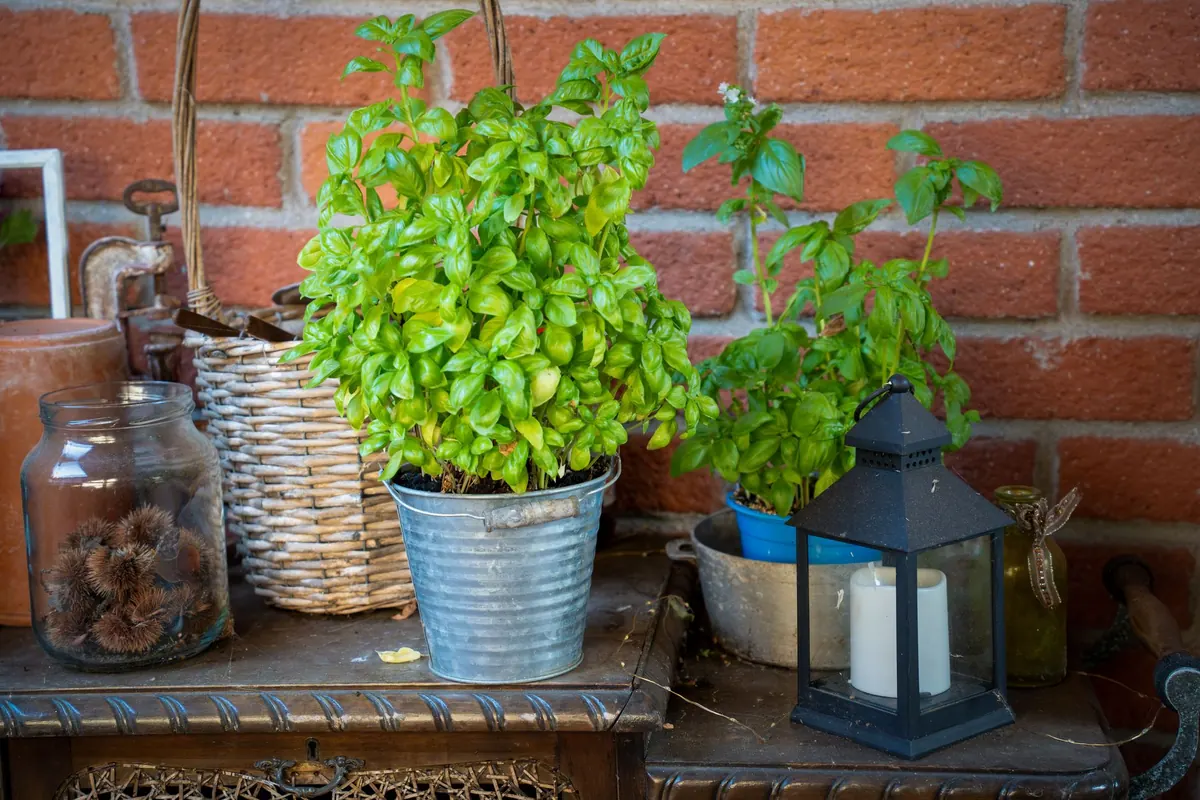
Every summer the same scene plays out on kitchen windowsills across the country. A supermarket basil pot arrives home looking lush, gets watered twice, and collapses within a week. It is rarely the grower's fault. Those pots hold a dozen seedlings crammed into a cell the size of a teacup, grown fast under glass and then dropped into a British kitchen where the light is poor and the nights are cool.
Choose a better variety, give it a pot of its own and a bright sill, and basil becomes one of the most generous herbs you can grow. What follows is a beginner's shortlist of cultivars that actually perform here — in a wet summer, on a north-facing kitchen window, in a small back garden.
Basil is a tender plant from warm regions, grown here as an annual. It wants air and soil above roughly 10–12°C, six hours or more of direct sun, and compost that drains freely. A British summer usually supplies the sun. The cool nights and grey, humid spells are what catch people out.
Cold shows up first as blackened leaf edges and stalled growth. Damp, still air brings downy mildew — yellowing between the veins on top of the leaf, a greyish fuzz underneath. It spreads fast between crowded plants and there is no cure once it takes hold. So the three traits worth choosing for are tolerance of cool nights, some resistance to mildew, and a compact habit that suits a pot.
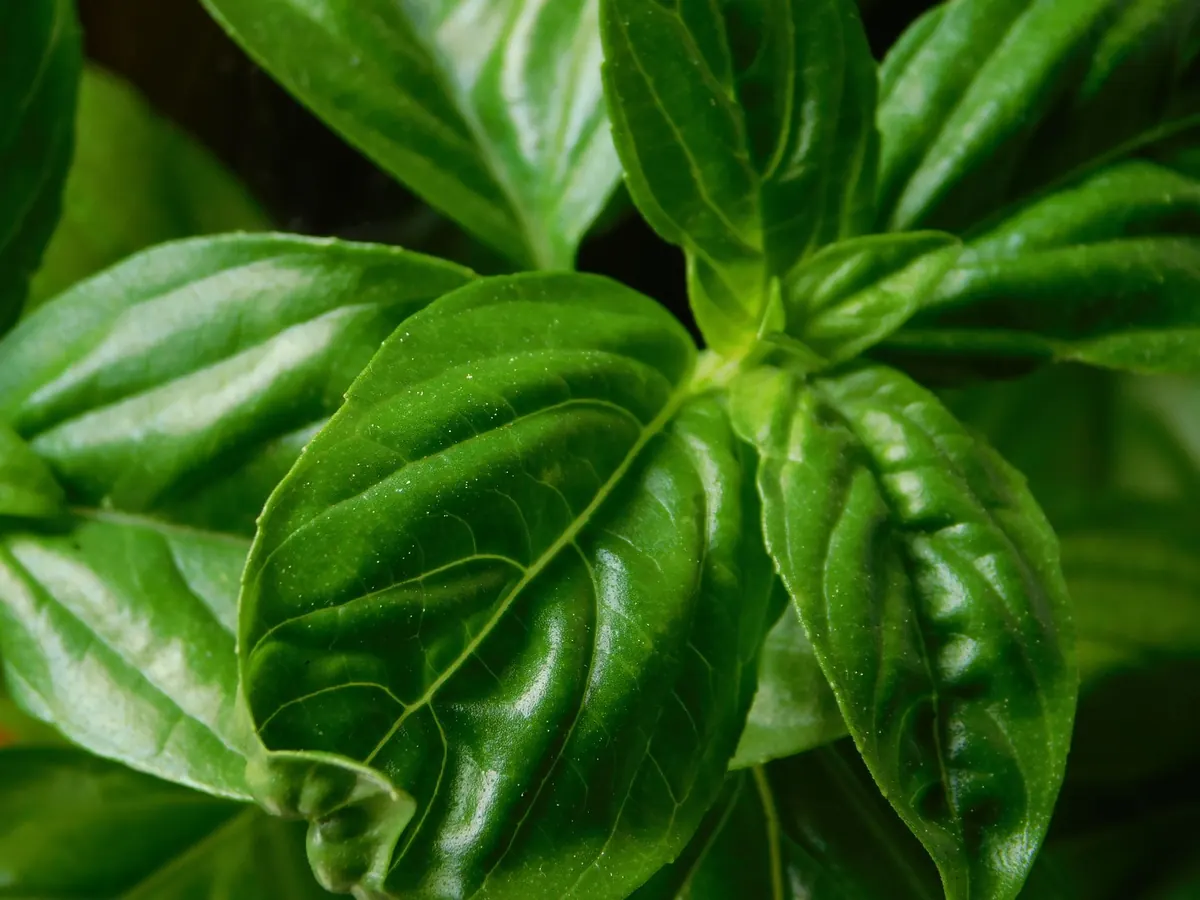
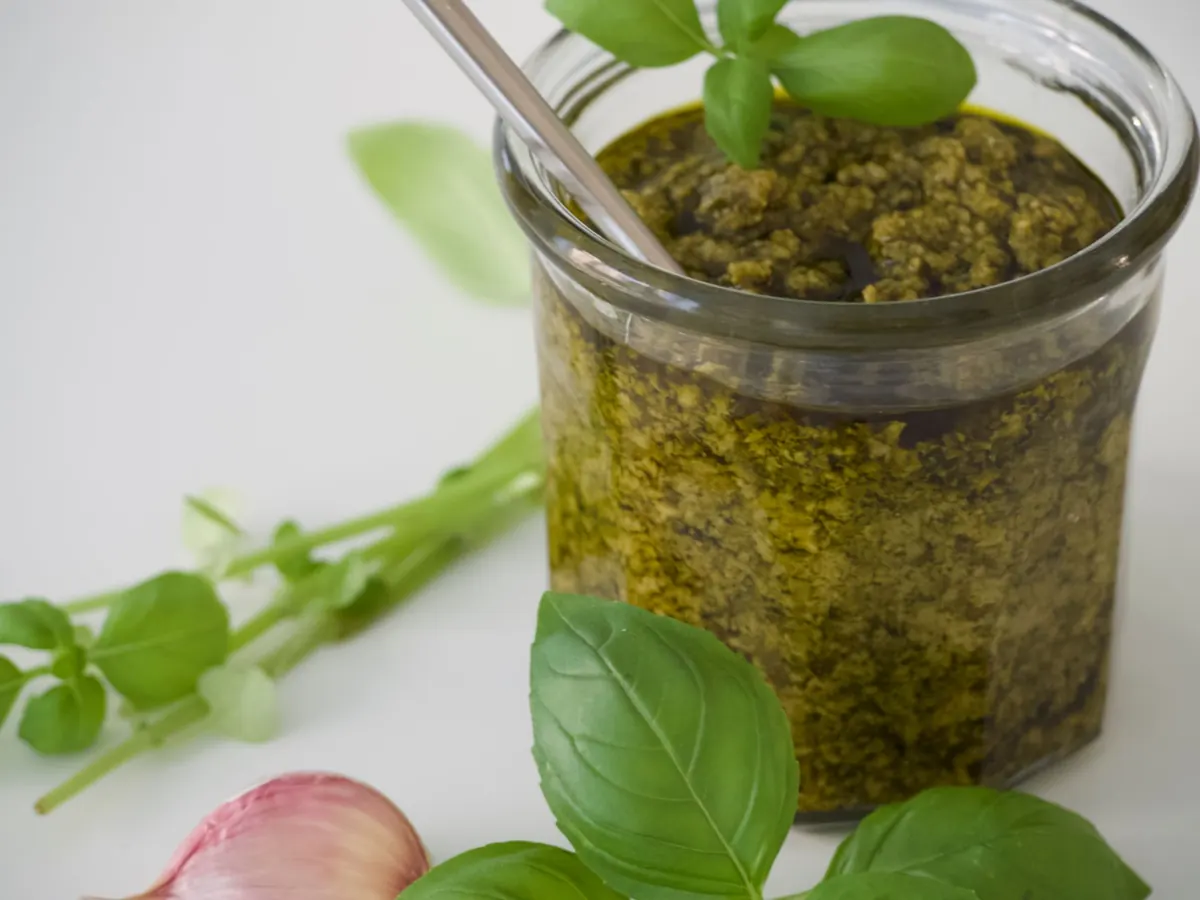
Sweet Genovese is the benchmark for good reason. Broad, glossy, slightly crinkled leaves, a sweet aniseed note and plenty of oil. It is the basil most people mean when they say basil, and the one for pesto. Plants are large and generous, so give them a 20cm pot or a sunny bed and keep pinching.
Napoletano produces enormous blistered leaves that stay mild. Fewer leaves, more surface area — three will cover a pizza. It likes a big pot and a warm wall.
Lettuce Leaf, sometimes sold as Large Leaf, is milder and softer still, and slightly more forgiving in a hot spell than tight-leaved types. Useful for salads, sandwiches and wrapping.
Find the brightest, coolest window you have — not the sill above a radiator. Then choose small-leaved bush basils, which branch densely, stay around 20–25cm, and take far longer to run to flower than the big Italians.
Tiny, neat leaves on a naturally rounded plant. One of these in a 15cm pot will crop for months if you keep cutting whole sprigs rather than individual leaves. The flavour is punchier and more peppery than Genovese, so use it raw — scattered over tomatoes, stirred into yoghurt, torn over grilled courgette.
'Dark Opal' and 'Red Rubin' grow a little more slowly but look superb, and they hold their own in a mixed pot with a green variety. The flavour is slightly clove-like and the colour bleeds into vinegar, oil and dressings. Purple types also seem to shrug off a dull August better than the big green ones.
Downy mildew has become a familiar sight in British gardens, particularly from late July onwards when nights turn humid. Some cultivars have been bred specifically for tolerance to it, and if you have lost basil to mildew before, start with one of these.
'Eleonora' and 'Amazel' are the two most widely available, both with a compact habit and a good sweet flavour. They are not immune, but they tend to keep cropping for weeks after a standard Genovese has given up. Sow a second batch in June or early July and bring it under cover in September; a pot on a sunny kitchen sill will often carry on into November.
Once you have a reliable green cropper, it is worth adding one or two for interest. These are the ones that earn their keep in a British kitchen:
The variety matters, but a few habits matter more. Work through this and even a cheap packet of seed will out-perform a supermarket pot:
Harden plants off gradually before they go outside, and do not be tempted to plant out before the nights are reliably mild — cold checks basil badly and it rarely recovers its earlier vigour.
A single reliable green basil and one compact or purple companion will give you more usable leaves than a row of struggling seedlings. Sow the green one in April for a summer of pesto, then sow a mildew-tolerant type in June or early July to carry you into autumn. Keep them warm, bright and uncrowded, cut them often, and the windowsill that produced a sad, wilting pot last year will quietly keep you in basil until the first proper frost.
Photo: Gundula Vogel / Pexels
Previous Post
Basil Varieties Compared: Genovese, Thai, Greek and Purple
Next Post
Why Is My Basil Turning Yellow? 7 Common Causes and Fixes