How to Grow Basil from Seed in the UK: A Month-by-Month Guide
Basil is one of those herbs that rewards you twice: once for the scent alone, and again at every meal it lands in. It is also, unfortunately, a sun-worshipping plant with a low tolerance for cold and damp, which is why so many UK attempts end in a pale, sulking seedling on a windowsill. The trick is timing. Get your sowing dates right, treat the plants gently when you move them outside, and you can be picking leaves from June until the first chill of autumn.
Basil comes from warm, bright parts of the world. It germinates quickly in heat, grows fast in strong light, and stops dead when the temperature drops. Our growing season is short and our light levels in early spring are modest, so the whole game is about giving the plants the warmest, brightest start you can manage indoors, then holding them back until the soil outdoors has genuinely warmed.
Two dates matter more than any other. The first is your last frost date, which ranges from late April in sheltered coastal spots in the south-west to late May or even early June in northern and inland areas. The second is the date you start your seeds, roughly six to eight weeks before you plan to plant out. Sow too early and you will be nursing leggy plants through April. Sow too late and you lose half the season.
Sowing in February is only worth it if you have a heated propagator or a very warm, very bright windowsill. Plants started now will be ready to move out in May, but they need cosseting: steady warmth of around 18–21°C to germinate, and as much light as you can find once they are up. If your only spare windowsill faces north, wait. A February sowing in poor light produces weak, stretched stems that never fully recover.
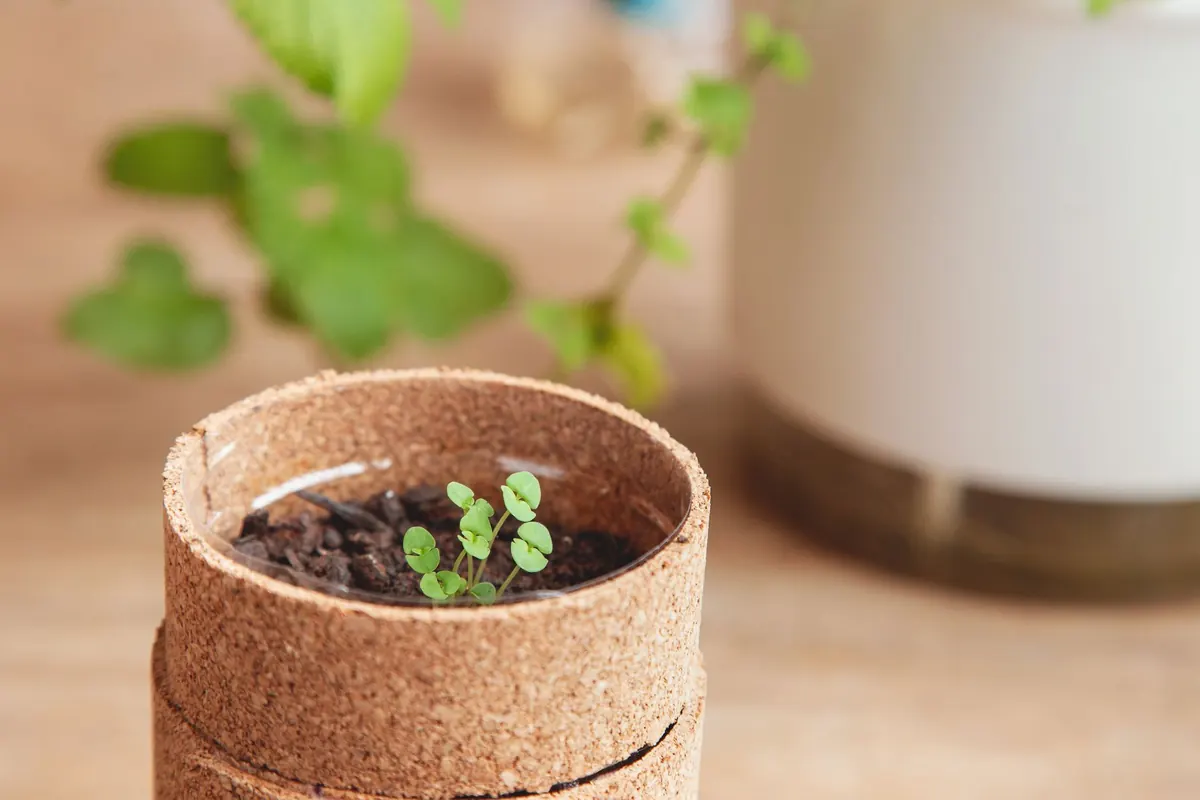
For most of the UK, mid to late March is the sweet spot. Sow indoors in trays or small pots filled with seed compost, scatter the seeds thinly, and cover with a fine dusting of compost — basil needs light to germinate, so do not bury it deeply. Water gently, cover with a clear lid or a plastic bag, and keep it somewhere warm. Germination usually takes five to ten days.
As soon as the seedlings show, remove the cover and move them to the brightest spot you have. A south-facing windowsill is ideal, though you may need to turn the tray daily so the stems grow straight. If you have a greenhouse, so much the better, provided it is frost-free.
By April your March seedlings will be ready to prick out into individual pots once they have two proper leaves. Handle them by a leaf, never the stem, and plant them slightly deeper than they were growing — basil will root along the buried stem, which makes for sturdier plants. Keep the compost just moist and feed nothing yet.
April is also the moment to sow a second batch. A successional sowing now gives you fresh plants in July, just as the first ones begin to tire. If you have a warm, sheltered cold frame or a sunny porch, you can start hardening off the earliest sowings towards the end of the month, but only on mild days.
Hardening off is the step most people skip, and it is the step that decides whether your plants thrive or sulk. Basil moved straight from a warm windowsill to an exposed garden bed will stall, scorch, or simply die. The process takes about a week to ten days.
Watch the forecast throughout. A cold night in mid-May can set a young basil plant back by weeks.
Once the risk of frost has passed in your area, plant out into a sunny, sheltered spot. Basil wants at least six hours of direct sun and soil that drains freely. If your garden is heavy clay, plant into raised beds or large pots with plenty of grit or multipurpose compost mixed in.
Space plants around 20–25cm apart, water them in well, and pinch out the growing tip of each plant a week or so after planting. This feels brutal, but it turns a single stem into a bushy plant with far more leaves to harvest. Keep a few plants in pots on a sunny patio as backup — they can be moved under cover if a late cold snap appears.
This is basil's moment. Water regularly, ideally in the morning, and avoid wetting the leaves in the evening, which invites mildew. Feed every couple of weeks with a liquid tomato feed once you start picking heavily. Harvest from the top, always taking a pair of leaves with the growing tip, and never strip more than a third of the plant at once.
You can also sow one more batch in early July, either outdoors in a warm spot or in pots, for a late flush of leaves in September. Keep it well watered; midsummer seedlings dry out fast.
As nights cool, bring potted basil back indoors to a bright windowsill, or cover outdoor plants with fleece on cold nights. Growth slows but does not stop. Any plants that have flowered will turn bitter, so if you want to keep harvesting, keep pinching out the flower buds. If you would rather save seed, let one plant flower and collect the seed heads once they dry brown.
Basil rewards a little patience more than most herbs. Wait for warmth rather than pushing the season, harden plants off properly, and keep picking throughout summer, and a single packet of seed will supply you from early summer well into autumn. Start with a reliable variety such as Sweet Genovese, keep a pot on the kitchen windowsill as insurance, and let the garden plants do the heavy lifting. Once you have grown your own, the supermarket bunches never quite compare.